
Electronics & Automotive Cleanroom Applications
Source electronics cleanroom enclosure panels, ceilings, doors and windows, coordinated around your assembly line and equipment interfaces.
Applications at a Glance
Select the process closest to your project. The inquiry will keep your chosen application.

Display & LED
Plan enclosure layouts around assembly equipment, material transfer and inspection stations.
Discuss This Application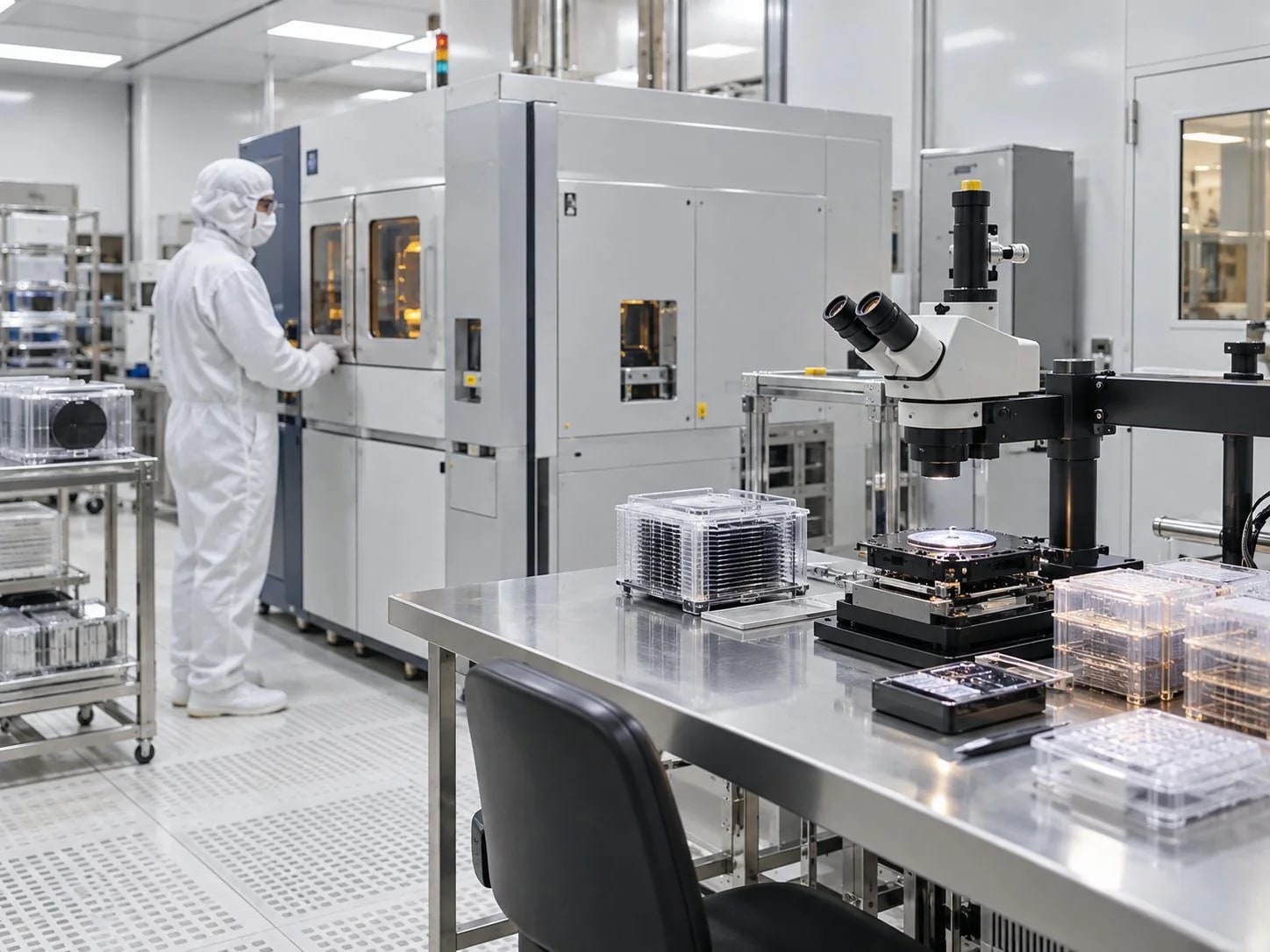
MEMS & Sensors
Arrange precision assembly and inspection areas with the required equipment and service interfaces.
Discuss This Application
Electronic Assembly & Testing
Plan enclosure supply for PCB, SMT, assembly and testing areas, with workstation access and material-transfer routes agreed before manufacture.
Discuss This Application
Automotive Electronics
Coordinate assembly, inspection and component transfer around the actual automotive-electronics process.
Discuss This ApplicationPlan the Interfaces Early
Review the Equipment
Confirm tools, handling routes and maintenance envelopes.
Define Room Conditions
Record particle, electrostatic and environmental needs separately.
Coordinate Ceiling & Services
Align grids, air terminals and service interfaces.
Agree Supply & Checks
Agree panel schedules, openings, delivery scope and the checks required at handover.
Airflow & Ceiling Layout
Coordinate ceiling modules, terminals and returns with the responsible HVAC designer.
Equipment Access
Allow tool delivery, replacement and maintenance without assuming equipment fits standard doors.
Service Interfaces
Plan power, process-service and monitoring penetrations around the agreed equipment layout.
Distinct Performance Needs
Specify particle control, ESD, humidity, temperature and vibration requirements separately.
Separate the Performance Requirements
Particle classification, electrostatic control, humidity, temperature, molecular contamination and vibration are different requirements. Identify what matters to the actual process; one enclosure specification does not prove all of them.
Coordinate the Room Around the Tools
Use the line layout to schedule wall and ceiling panels, equipment openings, service penetrations and access panels. Confirm each interface before releasing enclosure drawings.
Use Project-Specific Evidence
Do not assume standard finishes provide ESD performance or that enclosures improve yield. Performance claims require the specified system, appropriate evidence and an agreed verification method.
One Coordinated Room Envelope
Define the enclosure first, then agree the engineering interfaces and each party’s responsibilities.
Walls & Ceilings
Project-selected panels, surfaces and joints coordinated with room use and cleaning.
Doors & Observation
Personnel access, equipment openings and observation glazing matched to the layout.
Details & Service Interfaces
Junctions, penetrations, access and connections resolved with the responsible system designers.
Product Supply, Engineering Coordination & Specialist Responsibilities
AILV manufactures and supplies the agreed enclosure products. K-STONE engineering coordination, installation or wider project delivery is defined separately. Process equipment, specialist HVAC, utilities, electrical design, monitoring and validation remain with the appointed responsible teams unless expressly included.

Details You Can Review
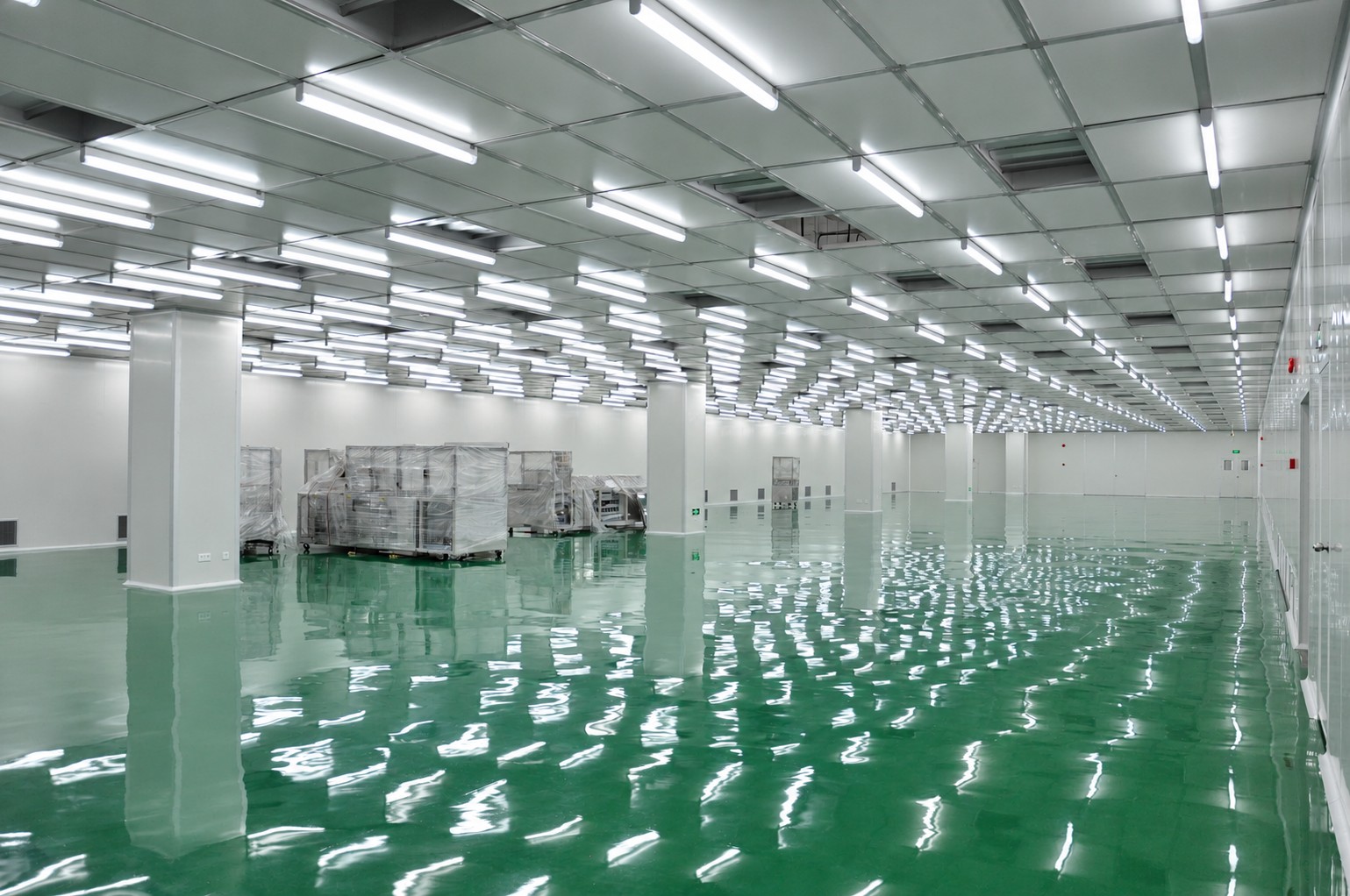
Ceiling and service interfaces in a Jiangsu semiconductor-materials workshop.
Use the photographs to review visible room construction and interfaces. Project scope and performance are confirmed from project records.
Discuss Your Project
Share your process, equipment layout, ceiling concept, environmental requirements and move-in constraints.
Before You Specify
Are standard cleanroom panels automatically ESD safe?
No. Specify the required finish, electrical resistance and grounding interfaces. Review supporting product data with the ESD designer before approving the panel schedule.
How is a ceiling coordinated with process equipment?
Send the ceiling grid, FFU or air-terminal layout, lighting, service drops and access needs. Agree openings and support details with the responsible designers.
Can equipment move-in openings be included?
Yes, where designed and agreed. Confirm equipment dimensions and handling methods to coordinate doors, removable panels or temporary openings.
Does particle control solve humidity and vibration requirements?
No. Each needs its own criteria and design. Coordinate the enclosure with the systems responsible for those conditions.
Will the enclosure guarantee better production yield?
No yield outcome should be assumed. Yield depends on many process and equipment factors; assess enclosure supply against its agreed specification.
 Home
 Products
 Contact
 News