

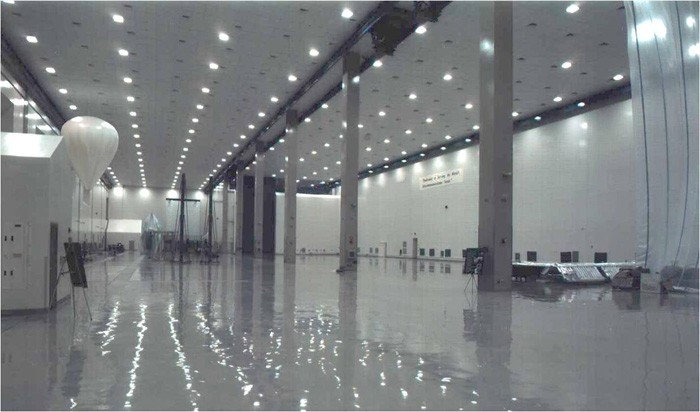
AILV / AEROSPACE ASSEMBLY
The size of the assembly, its handling method and its inspection access define the room’s practical boundaries. Review enclosure components around those requirements and the material/environmental criteria specified by the aerospace project.
Keep the Assembly Envelope Visible
Assembly and handling
Show the largest component or assembly envelope together with the handling equipment and working positions. Use that combined footprint when reviewing the room and its transfer route.
Inspection and maintenance
Keep the requested viewing, inspection and service spaces available around the assembly. Any equipment-removal route should remain identifiable on the layout.
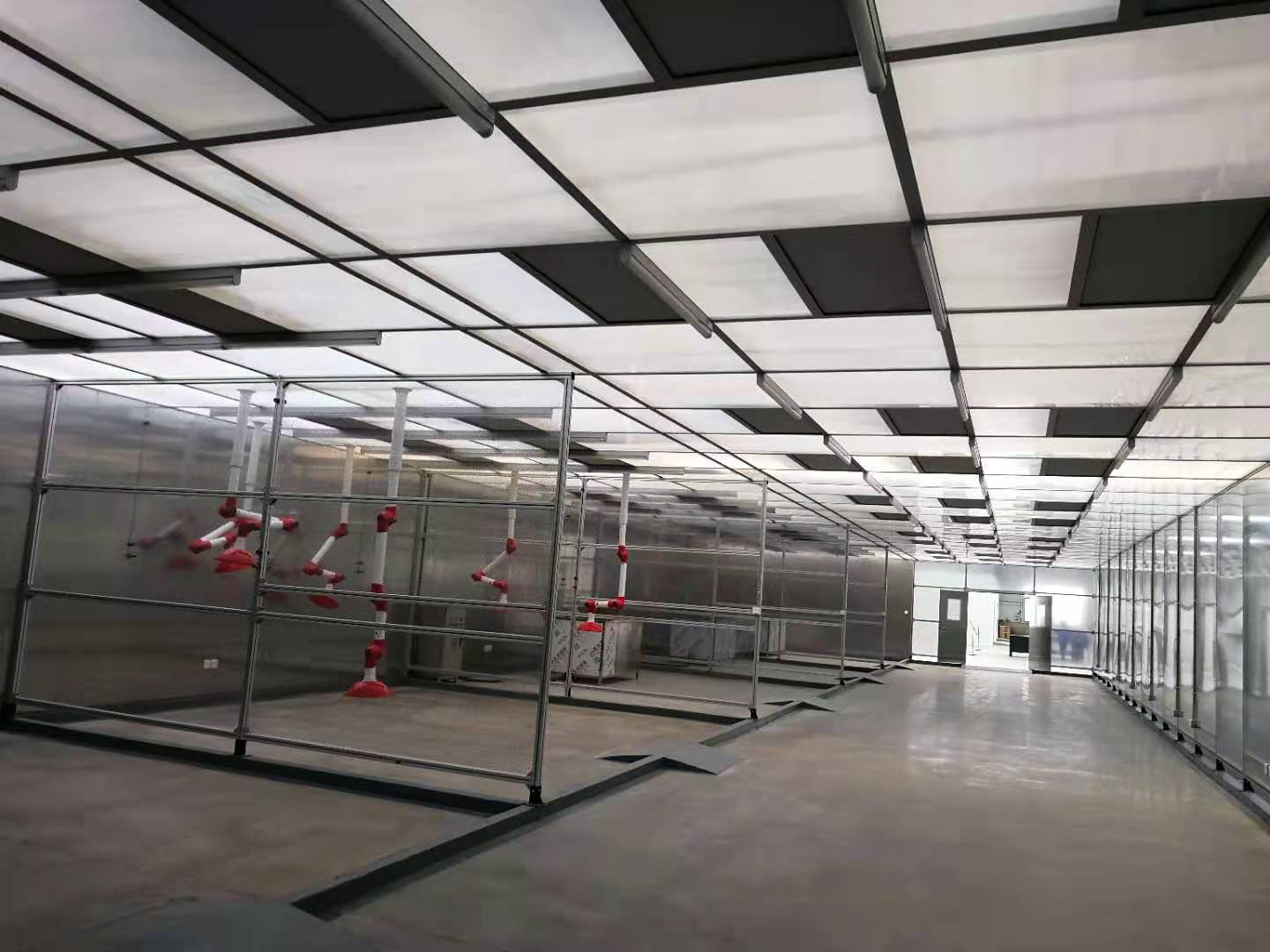
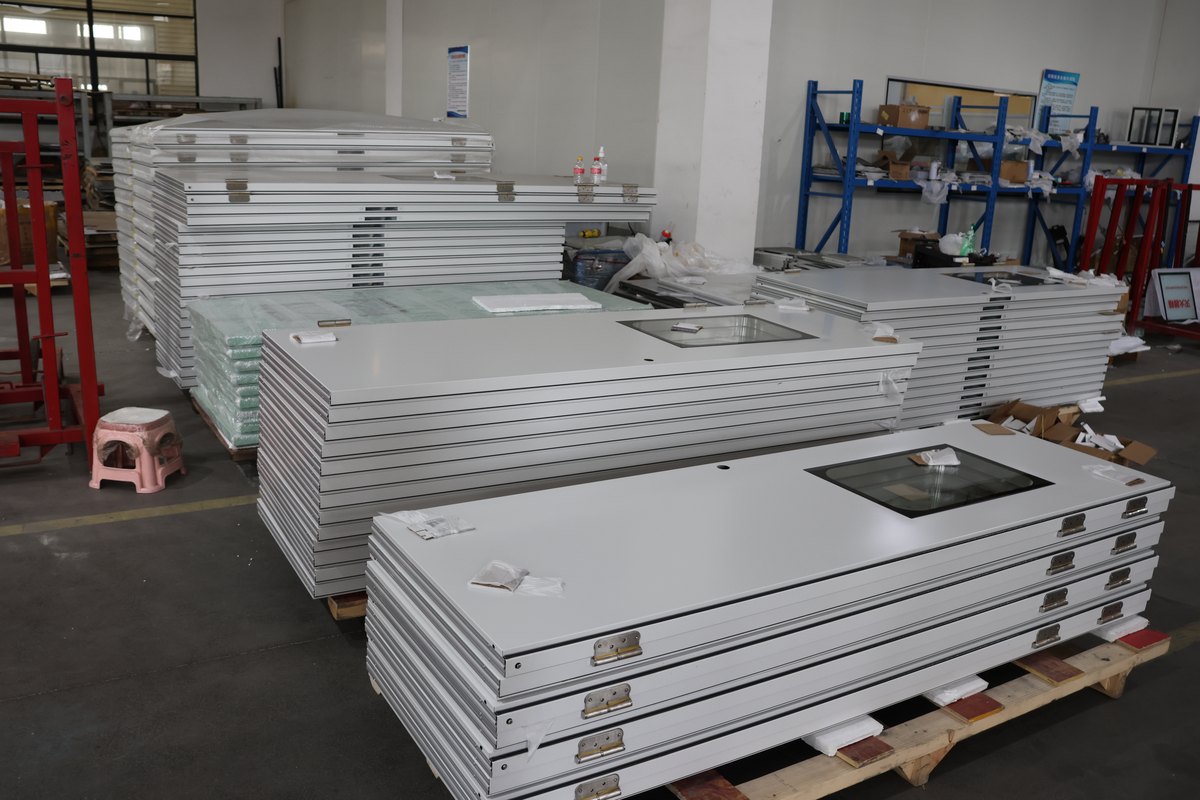
Treat the Transfer Opening as Part of the Route
| Transfer review | Project information |
|---|---|
| Item to move | Assembly dimensions and orientation during handling |
| Handling method | Equipment footprint and approach/turning space |
| Room opening | Finished passage, frame detail and requested operation |
| Enclosure interface | Wall/ceiling construction and the surrounding supports |
| Installation sequence | How the assembly and room components reach their positions |
Connect Visibility and Surface Criteria
Observation glazing, enclosure finishes and service positions should follow the actual assembly and inspection brief. Record the requested material criteria and supporting product documents alongside the selected component references.

Review the Assembly Route with Its Components
- Assembly dimensions, handling equipment and movement route
- Inspection, maintenance and observation positions
- Project-specific material criteria and enclosure/interface drawings
 Home
Home AILV Cleanroom Materials
 Contact AILV & K-STONE
 News
News