
HVAC System For Cleanroom
K-STONE ENGINEERING / AIR SYSTEM INTERFACES
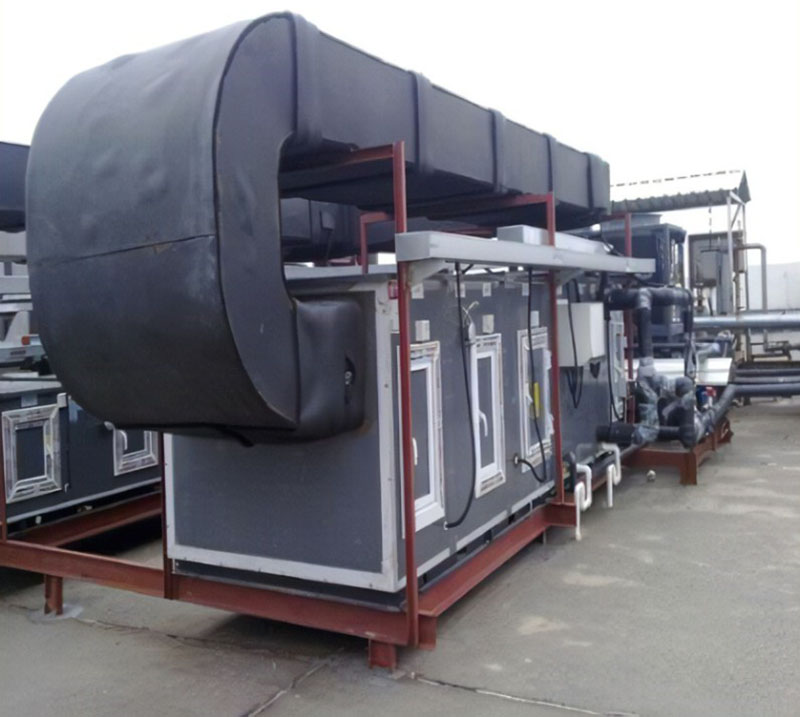
The room requirement, equipment duty and enclosure interface need to meet in one coordinated air-system layout. K-STONE Engineering reviews the selected equipment connections, terminal positions and maintenance access included in the project scope.
Start with the Equipment Duty
Room and operating requirements
Bring the room use, required environmental conditions and design airflow information to the equipment review. These requirements establish the basis for selecting and positioning the relevant air-system components.
AHU connections and access
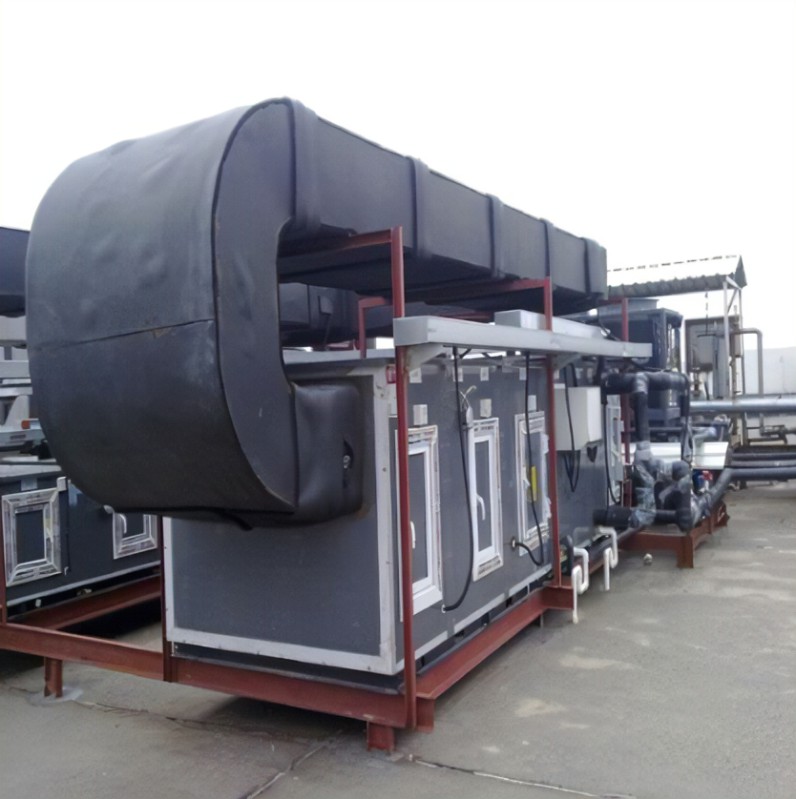
Check the actual unit arrangement, duct connections, service points and access doors against the proposed location. Leave the maintenance requirements attached to the equipment reference.
Follow the Route from Plant to Room
Coordinate each physical connection
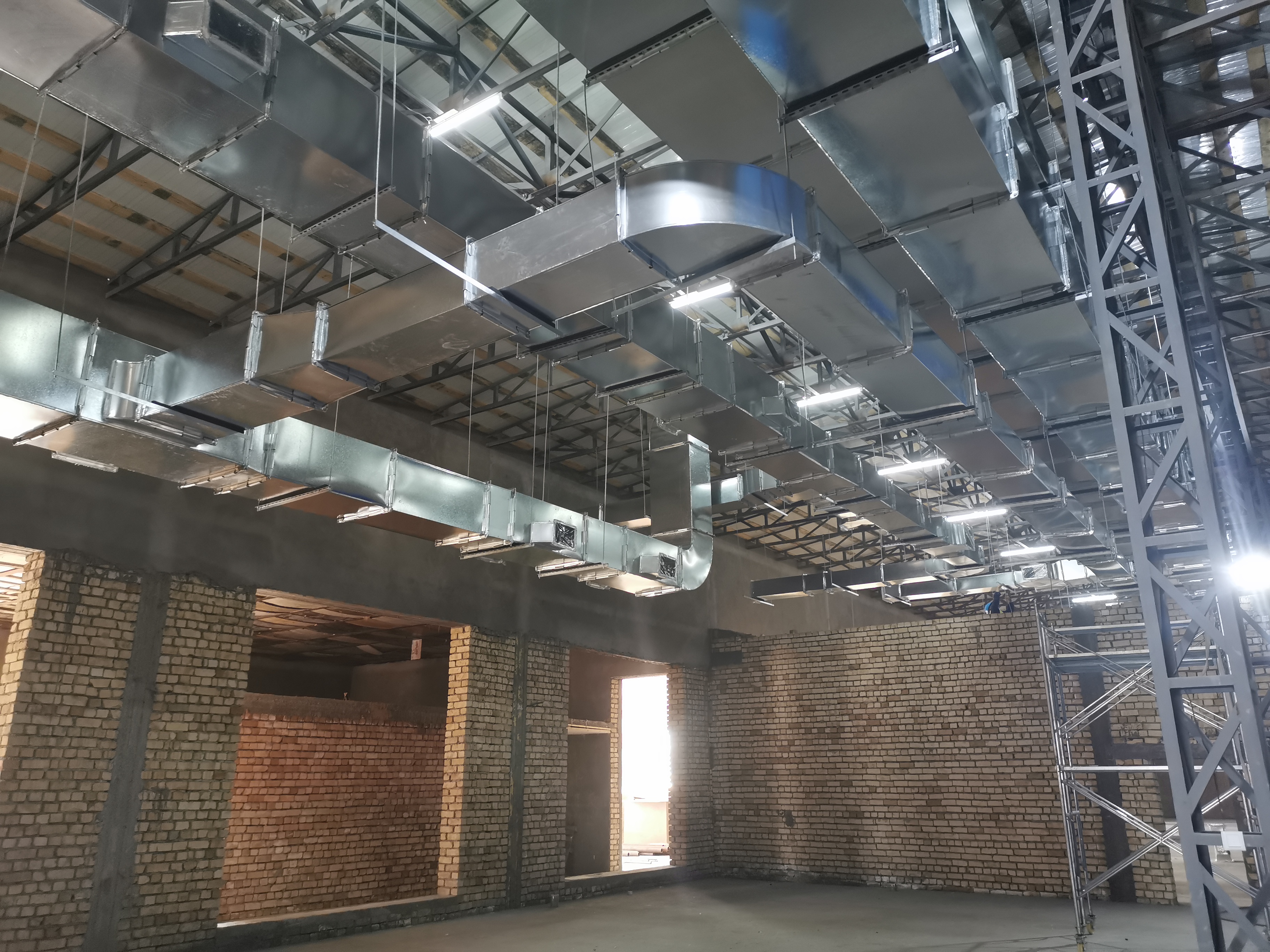
Compare the equipment outline and duct route with the ceiling supports, terminal openings and service-access areas. Keep any layout change connected to the room and component schedules.
Give Each Selected Component the Right Information
| Component or interface | Information to compare |
|---|---|
| Air-handling unit | Duty information, connection positions, services and access |
| Fan filter units | Ceiling/module dimensions, electrical/control requirements and filter documentation |
| Air terminals | Connection size, room position, mounting and inspection access |
| Filters | Actual dimensions, sealing arrangement, operating duty and applicable test documents |
| Return/exhaust | Route, connection positions and the space required for maintenance |
Bring the Air-System Interfaces Together
- Room requirements and the current air-system layout
- Equipment datasheets and design duty information
- Ceiling plan, duct positions and available maintenance space
- Required check records and the selected component schedule
Air Handling Unit(AHU)
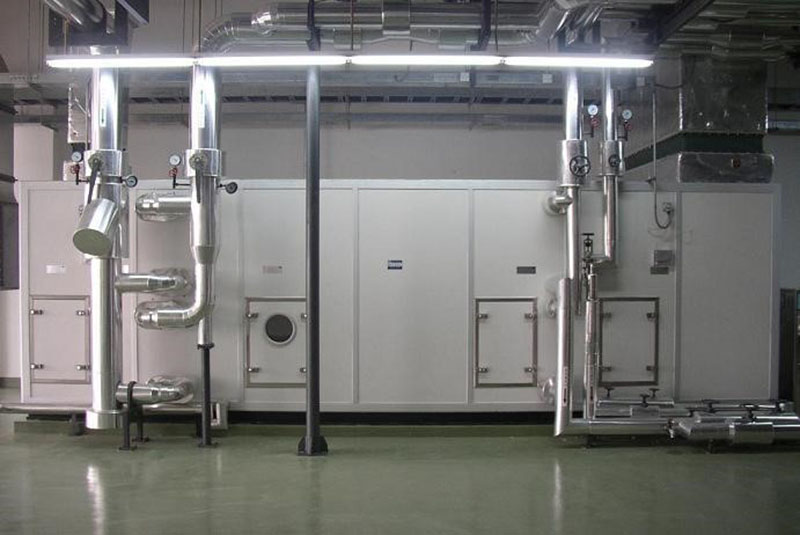
The air handling unit (AHU) is a key component of the cleanroom HVAC system, responsible for conditioning and circulating the air within the controlled environment. The AHU is equipped with a HEPA filter to ensure that the air entering the clean room is free of particles and microorganisms, maintaining a high level of air quality. Return air vents play a vital role in extracting air from the clean room, while ducts and insulation help distribute conditioned air efficiently throughout the space, minimizing energy loss and ensuring even air distribution.
BSL HVAC System Solution
BSLtech's cleanroom HVAC systems are designed to meet the stringent requirements of cleanroom environments, providing reliable and efficient air quality control. The company's expertise in integrating AHUs, HEPA filters, return vents, ducts and insulation ensures HVAC systems operate seamlessly, providing the necessary environmental conditions for sensitive manufacturing processes and research activities. With a focus on precision and reliability, BSLtech's HVAC systems are tailored to the specific needs of cleanroom facilities, providing a comprehensive solution for maintaining a controlled and sterile environment.
Choosing The Correct Service Provider
BSLtech's cleanroom HVAC systems utilize advanced components such as AHUs, HEPA filters, air return vents, air ducts and insulation to ensure optimal air quality and environmental control. Committed to precision and reliability, the company provides comprehensive solutions for cleanroom facilities in industries such as pharmaceutical, biotechnology and electronics manufacturing. BSLtech's expertise in designing and integrating HVAC systems makes them a trusted partner in achieving and maintaining the stringent environmental conditions required for cleanroom environments.
 Home
Home Products
 Contact AILV & K-STONE
 News
News